![[Translate to English:] Meeting on-line](/fileadmin/_processed_/d/2/csm_Zrzut_ekranu_2026-02-23_175646_7f178380b1.png)
Next partnership meetings!
10 March 2026
![[Translate to English:] On-line meeting](/fileadmin/_processed_/9/8/csm_Meeting_2_ae8fb94eec.png)
First official partnership meeting!
06 February 2026
The project is co-financed by the governments of Czechia, Hungary, Poland and Slovakia through Visegrad Grants from the International Visegrad Fund. The mission of the fund is to advance ideas for sustainable regional cooperation in Central Europe.

The primary issue of the Bravely for Innovation project is the limited implementation of social innovation in the V4 countries.
In this era of a risky society - characterized by rapid social change and increasingly multifaceted problems - the role of social innovations is increasing. The implementation of social innovations is mainly carried out by non-governmental organizations (NGOs) in partnership with other entities. Intersectoral cooperation in post-socialist V4 countries is hindered by a relatively low level of social capital and the insufficient resources of NGOs, including their limited human resources.
To address the limited implementation of social innovation in V4 countries and the lack of academic programs dedicated to social innovation, the Bravely for Innovation project will develop a 20-hour online course tailored to the real challenges faced by NGOs in the V4 region.
Achieving the main goal of the project will be possible through the following actions:
The project's uniqueness stems from several factors.
In the V4 countries, such a broad group of activists interested in implementing social innovations does not yet exist. The creation of a network of cooperation increases the chances of implementing innovations in local communities.
This education will equip them with the knowledge, competencies, and skills necessary to implement social innovations in NGOs. This will be achieved through a unique online training course.
A detailed diagnosis of these needs is planned.
Online guides will also be produced describing the training of social innovators in connection with the activities of V4 NGOs in implementing social innovations.
The Forum will serve to integrate NGOs from theV4, social innovators, and researchers dealing with the implementation of social innovations. It will also present an innovative training program for social innovators, and students will show prototypes of social innovations.
Center of Social Innovation of the University of Lodz

Contact details: Katarzyna Zajda
E-mail: katarzyna.zajda@uni.lodz.pl
Slovak University of Agriculture in Nitra

Contact details: Danka Moravčíková
E-mail: danka.moravcikova@uniag.sk

Contact details: Kinga Szabó-Tóth
E-mail: kinga.szabo.toth@uni-miskolc.hu
Prague University of Economics and Business:

1. Faculty of Finance and Accounting
Contact details: Katarína Krpálková Krelová
E-mail: katarina.krelova@vse.cz
2. Faculty of Management
Contact details: Kateřina Berková
E-mail: katerina.berkova@vse.cz
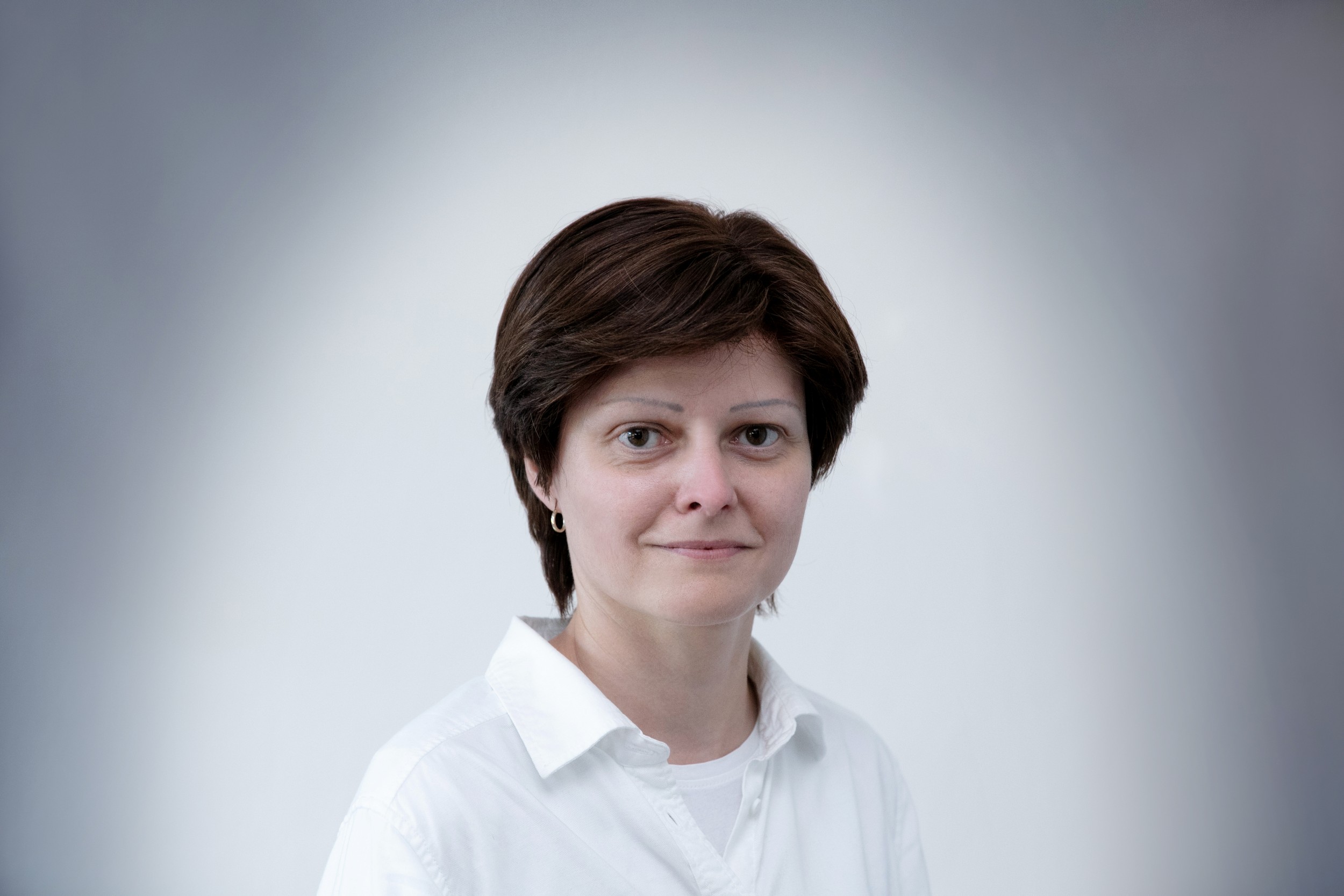
Ing. Kateřina Berková, Ph.D., is an Assistant Professor at the University of Economics in Prague.
Her teaching and research focus on the didactics of economic subjects and accounting, particularly project-based learning, the development of soft skills, critical thinking, formative assessment, and financial education of youth.
She is also involved in teacher training in the areas of innovative teaching methods and the digitalization of education.

Phdr. Michala Bojarski Ph.D. is a psychologist currently teaching at the Department of Didactics at the University of Economics in Prague and at the Department of Psychology at Metropolitan University in Prague.
She specializes in applying psychological principles to education and learning processes. Her expertise in V4 project lies in psychology of team conflict and in methodology.

Virag Havasi studied law, economics, sociology, pedagogy at the University of Miskolc [Hungary], obtained her PhD at the University of Debrecen [Hungary].
Since 2013, she is Associate Professor of the Institute of Applied Social Sciences at the University of Miskolc and since 2023 she is the head of the Social Work Department.
She has been a visiting lecturer in several European (and Moroccan) universities under the Erasmus mobility programme.
She participated in several community and regional development projects aiming the social intergation of the Roma in rural territories of Hungary and also in initiatives for supporting citizens' participation in Miskolc.
Her main research topic is civil society with special focus on social innovation and community development.
Her book "Secular Civil Society and Religious Communities. Roles and Role Opportunities in Today's Hungarian Society" was published in 2025 (Miskolci Egyetem ATTI, Miskolc).

My research interests focus on the methodology of educational research. I pay particular attention to the decisions made by early-career researchers during the research process. I am also interested in attitudes toward scientific research, including students’ attitudes toward mathematics and statistics.
Education
Academic and Governance Activity
Pavel Krpálek is an expert in the didactics of economic subjects, within the field he focuses mainly on the theory of teaching economics, practice enterprise concepts, economic and financial management, development of financial literacy and application of social psychology.
In his research and publication activities, he focuses on the development of human resources in formal and informal education, personnel management and undergraduate and postgraduate training of teachers and lecturers.

Assoc. Prof. Mgr. Ing. Katarína Krpálková Krelová, PhD., ING-PAED IGIP, focuses on her teaching and research activities on engineering pedagogy, subject-specific didactics of economic disciplines, and the quality of education.
Her research and publications primarily address innovations in teaching economic subjects and the development of teachers’ pedagogical competencies.
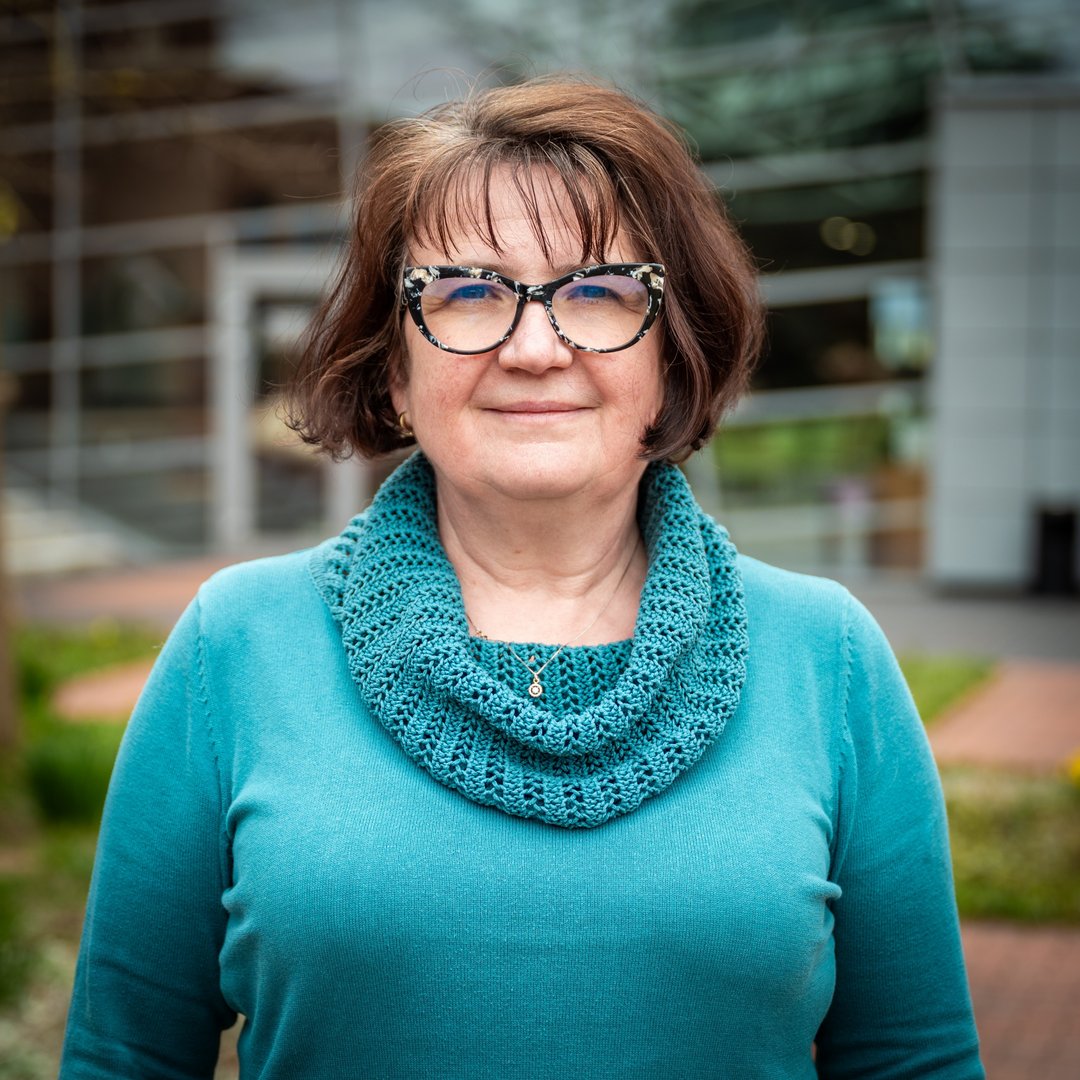
Irena Míková (Faculty of Management Prague University of Economics and Business) has long been involved in the issues of education and lifelong learning. She followed up on the knowledge related to Formal education and the stage of Initial education (acquired at the Faculty of Education) within the framework of her doctoral studies.
However, her research activities were more focused on the area of Further education and appropriate evaluation approaches. She pays attention to the factors of the education process and development of employees in the organization, which influence the level of achieved educational results with an impact on the indicators of the organization's success.
In the field of pedagogical activity, she is involved in teaching Communication Skills and Rhetoric, Managerial Ethics and participates in teaching the Bachelor's Seminar.
E-mail: mikovair@vse.cz

Jan Pospíšil (Ph.D.) is an Assistant Professor at the Faculty of Management, Prague University of Economics and Business (VŠE), where he also serves as Chair of the Faculty Senate and a member of the Academic Senate.
His research focuses on consumer behavior, marketing communication, and intergenerational differences.

Kinga Szabó-Tóth studied sociology, community development, coaching and social research methodology at different universities including the University of Miskolc [Hungary], University of Manchester [UK], obtained her PhD at the Corvinus University of Budapest [Hungary], and also has a habilitation degree from the University of Debrecen ([Hungary].
Since 2008, she is Associate Professor and also the director of Institute of Applied Social Sciences at the University of Miskolc, Hungary, also teaching at several universities in Hungary.
Previously, Szabó-Tóth held Marie Curie fellowship at the CCSR, University of Manchester, and has been a visiting lecturer in several European universities under the Erasmus mobility programme.
Szabó-Tóth is a member of the Board of the Hungarian Sociological Association, and also is a member of the Public Council of the Hungarian Academy of Sciences as well as the member of the Sociological Committee of the Hungarian Academy of Sciences.
Her previous books include:
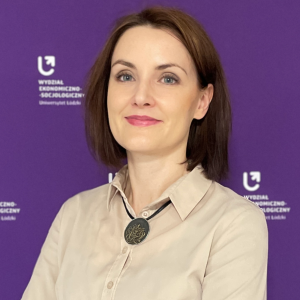
ORCID: 0000-0001-5568-3644
Author of numerous publications on the implementation of social innovations and the development of local ecosystems supporting social innovation.
Selected publications:
The Bravely for Innovation project was designed with care for the environment, in accordance with the principles of sustainable development included in the Visegrad Fund Green Guidelines.
The project includes activities that help reduce the project's environmental impact, such as:
Center of Social Innovation of the University of Lodz:
E-mail: cein@uni.lodz.pl
Coordinator of the Bravely for Innovation project:
Katarzyna Zajda
E-mail: katarzyna.zajda@uni.lodz.pl